Skip to the main content.
Give Give Monthly
Give Give Monthly

Author: John Stonestreet and Glenn Sunshine

Some Christians argue that America’s Founders were overwhelmingly Christian in their faith and outlook, and many were even evangelicals. Most secularists, on the other hand, claim that these men were Enlightenment Deists and Freethinkers, a way of saying they were atheists or at least hard agnostics.

Clearly, there were deeply committed Christ-followers, such as John Witherspoon and Benjamin Rush, who were significant but are often overlooked leaders involved in the Revolution and the Constitutional Convention. At the same time, some of our Founders, though religious, were far from being evangelical, even heterodox. But how many were Deists, as is often claimed? For example, Thomas Jefferson is often cited as a Deist.

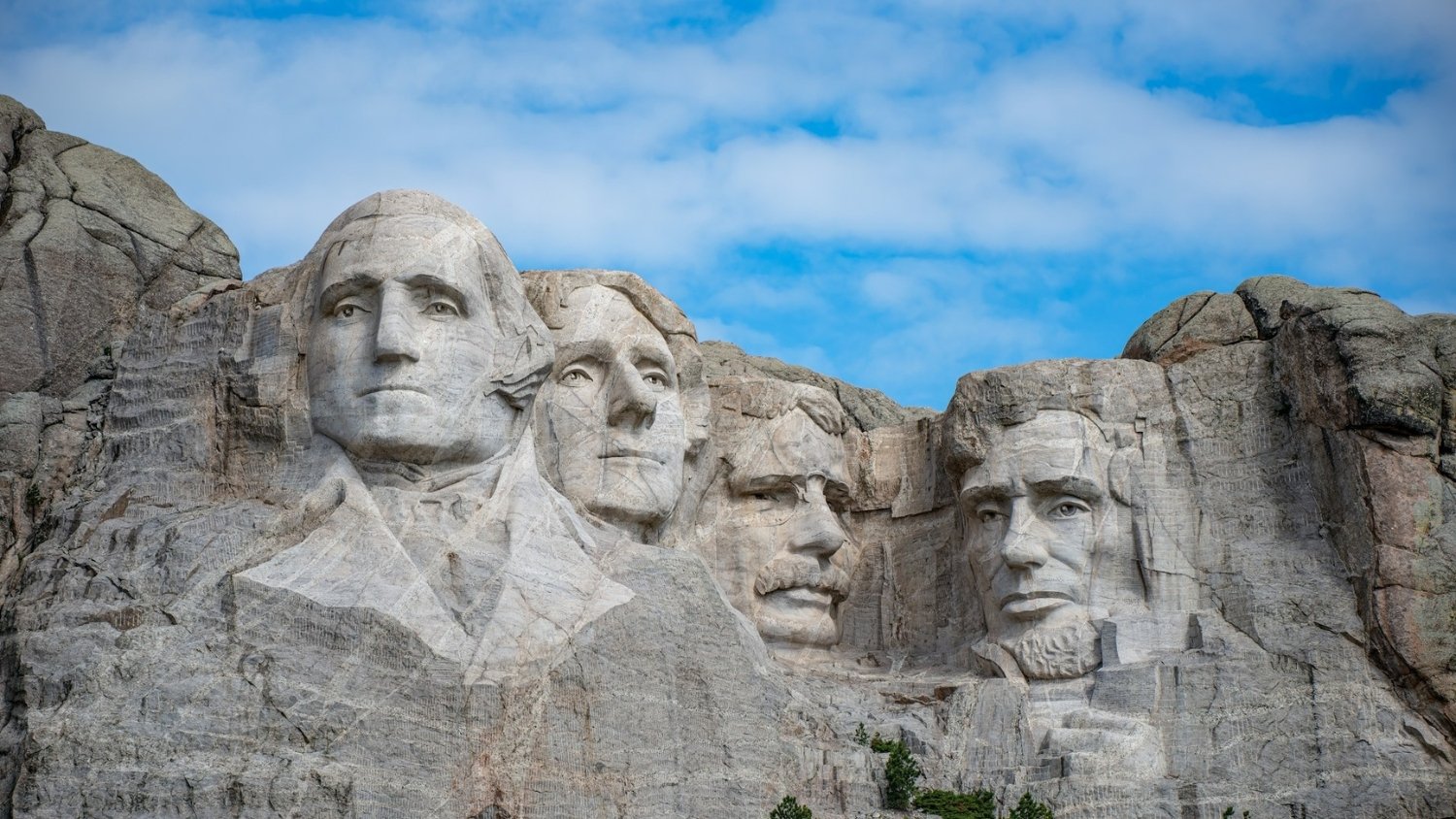
Deism teaches that God created the universe but does not in any way intervene in the world. By this definition, none of the Founders would qualify, including Jefferson. Consider these words recorded on the walls of the Jefferson Memorial:

God who gave us life gave us liberty. Can the liberties of a nation be secure when we have removed a conviction that these liberties are the gift of God? Indeed I tremble for my country when I reflect that God is just, that His justice cannot sleep forever. Commerce between master and slave is despotism. Nothing is more certainly written in the book of fate than that these people are to be free.

In other words, Jefferson was concerned about God judging the nation for slavery. This is something no good Deist would say. He may not have been an evangelical or an orthodox Christian, but Jefferson was no Deist.

Another example is Benjamin Franklin, often recognized as the least religious of the Founders. At an impasse during the Constitutional Convention, Franklin famously said:

In this situation of this Assembly groping as it were in the dark to find political truth, and scarce able to distinguish it when presented to us, how has it happened, Sir, that we have not hitherto once thought of humbly applying to the Father of lights to illuminate our understandings? In the beginning of the contest with G. Britain, when we were sensible of danger we had daily prayer in this room for the Divine Protection. Our prayers, Sir, were heard, and they were graciously answered. All of us who were engaged in the struggle must have observed frequent instances of a Superintending providence in our favor. To that and providence we owe this happy opportunity of consulting in peace on the means of establishing our future national felicity. And have we now forgotten that powerful friend? Or do we imagine that we no longer need His assistance?

I have lived, Sir, a long time and the longer I live, the more convincing proofs I see of this truth—that God governs in the affairs of men. And if a sparrow cannot fall to the ground without [H]is notice, is it probable that an empire can rise without [H]is aid? We have been assured, Sir, in the sacred writings that "except the Lord build the House they labor in vain that build it." I firmly believe this; and I also believe that without [H]is concurring aid we shall succeed in this political building no better than the Builders of Babel: We shall be divided by our little partial local interests; our projects will be confounded, and we ourselves shall become a reproach and a bye word down to future age. And what is worse, mankind may hereafter from this unfortunate instance, despair of establishing Governments by Human Wisdom, and leave it to chance, war, and conquest.

I therefore beg leave to move—that henceforth prayers imploring the assistance of Heaven, and its blessings on our deliberations, be held in this Assembly every morning before we proceed to business, and that one or more of the Clergy of this City be requested to officiate in that service.

A good Deist would never seek divine intervention or rely on answered prayer. Here Franklin does both. Like Jefferson, if he was a Deist, he was a really bad one. In fact, the faith that influenced the founding was not always faithful to orthodoxy, but it was far more influential than Deism.