The Tempest of the Living
Authors: John Stonestreet | Dr. Timothy D. Padgett Dietrich Bonhoeffer, a famous twentieth century Christian, was a dynamic and occasionally...
John Stonestreet and Dr. Timothy D. Padgett
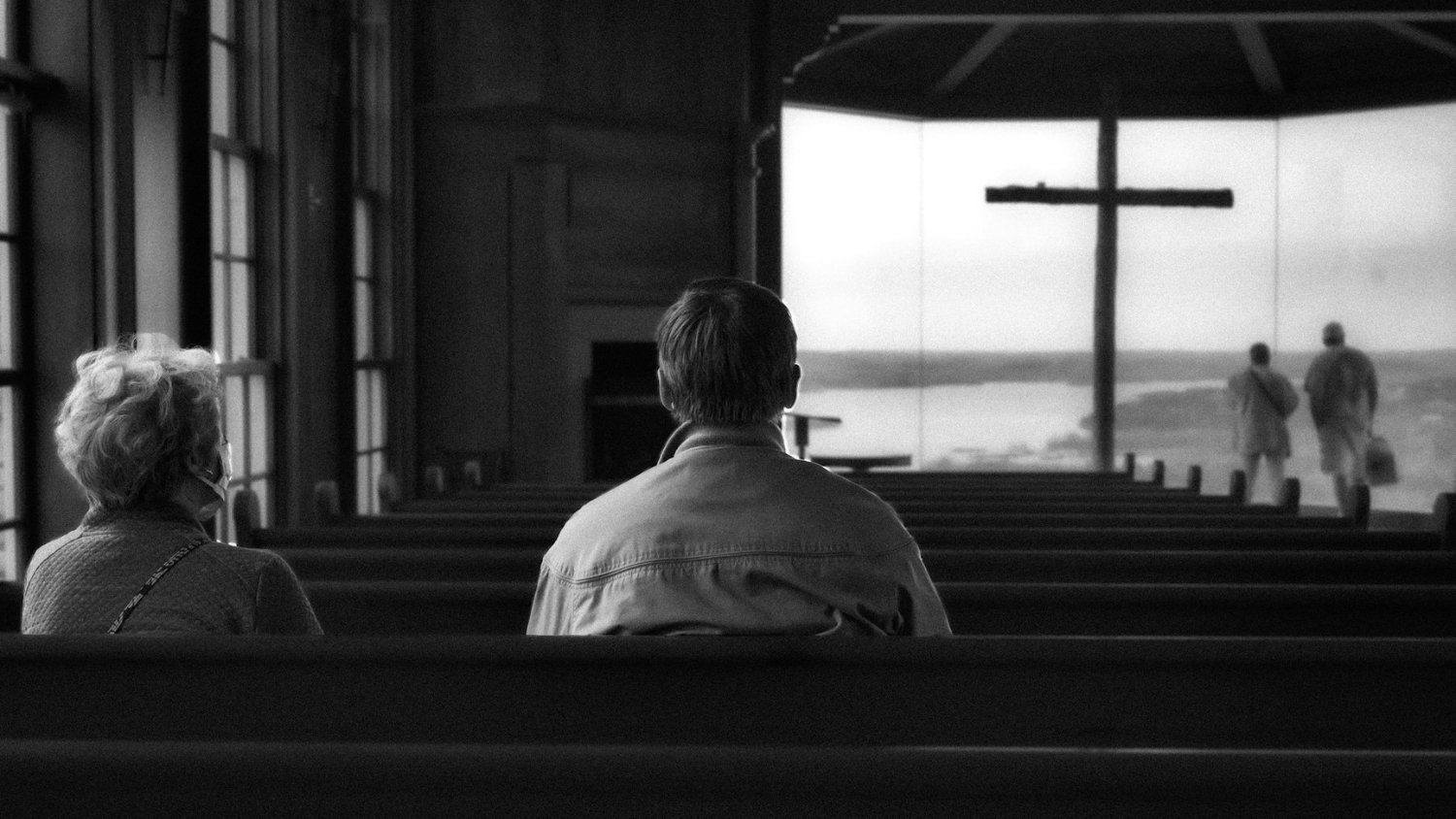
In January, statistician Ryan Burge posted demographic breakdown of 20 Protestant denominations, showing the percentage of “Boomers” in each. Across Protestant denominations, both mainline and evangelical, a disproportionately large number of congregants are in their 60s, 70s, and 80s.
The aging faithful within our congregations are a blessing and an essential resource that is too often overlooked. However, it is also true that within a few decades, much of this cohort will have entered eternity. If Burge’s chart is correct, there will not be enough GenXers, Millennials, and Zoomers to sustain many of these denominations.
The percentages of “Boomers” run from a high of 49% in the liberal Episcopal Church to a low of 24% with the more conservative Church of Christ. With certain exceptions, the more traditional theology and practice a church offers, the less likely they are to age out.
The converse is also true and has been for a while now. So-called mainline denominations have been hemorrhaging numbers for decades. They are also increasingly populated by older and whiter congregants. And it may be too late for them. As Burge put in his new book, The Vanishing Church:
When silver heads outnumber newborn cries in the pews, the local church has likely crossed a point of no return. Without young people, especially young couples, it’s hard to maintain the same level of membership or attendance. But attracting young people to a congregation of baby boomers is an almost impossible task. Thus, it’s unlikely that the mainline will see any kind of resurgence in the decades to come.
Decades ago, many of these denominations chose to accommodate themselves to theological and moral progressivism. In the end, these churches had nothing to offer that could not be heard daily on NPR, and they lost their own reason for being. Why get up on Sunday morning to go to church if you could stay home and hear the same thing without the sermon?
However, mainliners aren’t the only ones facing the demographic winter. Though the top half of Burge’s graph with the worst numbers are churches that mostly lean liberal, a few conservative denominations are not far behind. For example, while the mainline Presbyterian Church of the USA are at 47% Boomer, the conservative Presbyterian Church of America also come in at 47%. Southern Baptists are at 45%. Most nondenominational groups sit at around 40%.
These denominations have not succumbed to the theological liberalism that captivated the mainlines decades earlier and, given the track record, it would not be wise to do so now. Nor is it wise, as some within the more conservative denominations seem tempted to do, to downplay, compromise or water down the moral claims of historic, Orthodox Christianity. The church’s strategy should neither be to accommodate to the culture nor to the individual.
In fact, though we are still understanding the “vibe shift of the last couple of years, the churches that have grown and attracted younger generations tended to be clear about Christian doctrine and morality. They didn’t conform to wider culture like the mainliners, and they didn’t do the seeker-sensitive thing so popular for evangelical Protestants. By not bending with the social breeze, more rigorous churches were not tied to the trends that trended away.
This does not necessarily mean every church should return to robes and candles, but it does mean all should get back to the basics of Christian belief and practice, without compromise.
After all, churches are called by Christ to make disciples, not just converts. Discipleship involves seeing all of life as His, and seeing faith as personal but not private. That will mean loving our neighbors and proclaiming the truth. That will mean championing those aspects of God’s design that are under assault. For example, one way to bring more young people into the pews is to stop seeing kids as an optional life choice.
In the end, the churches that belong to Christ will endure. And it will not be because of the winsomeness, cleverness, or relevance of the Christians. It will be because He is faithful to His Bride, faithful to preserve, grow, and even discipline her whenever necessary.
Authors: John Stonestreet | Dr. Timothy D. Padgett Dietrich Bonhoeffer, a famous twentieth century Christian, was a dynamic and occasionally...
Authors: John Stonestreet and Dr. Timothy D. Padgett
Authors: John Stonestreet | Dr. Timothy D. Padgett A recent article in Britain’s The Daily Mail suggested that the prophets Amos and Zechariah may...