The Tempest of the Living
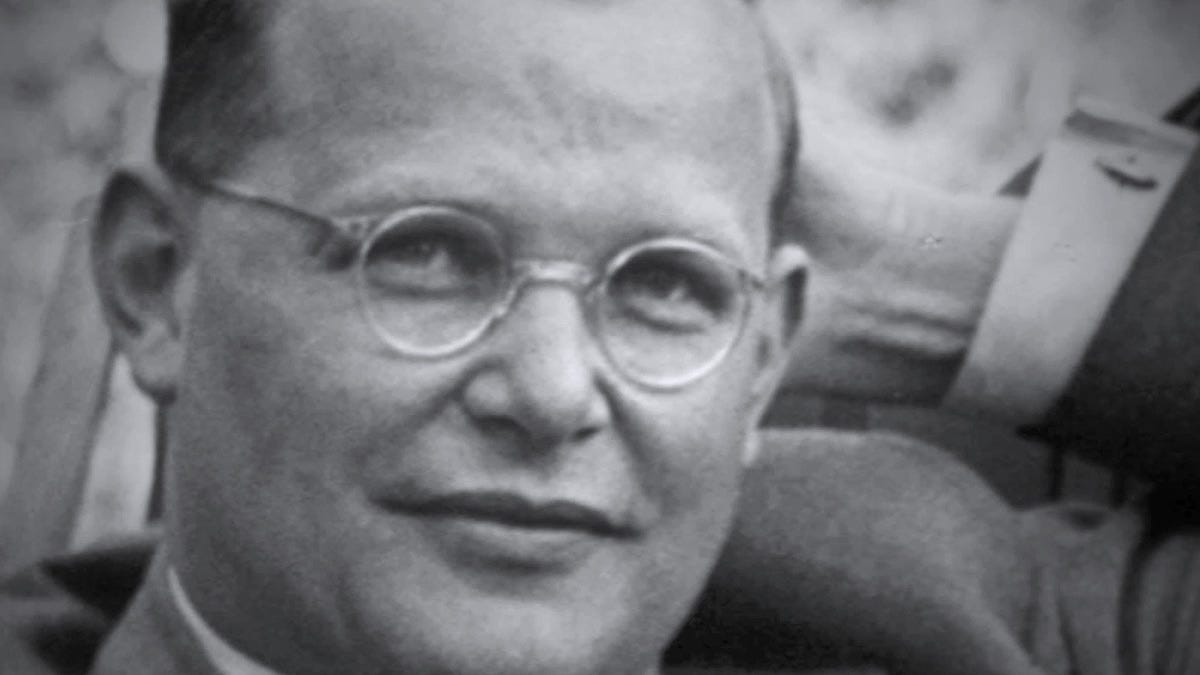
Authors: John Stonestreet | Dr. Timothy D. Padgett Dietrich Bonhoeffer, a famous twentieth century Christian, was a dynamic and occasionally...
Authors: John Stonestreet and Dr. Timothy D. Padgett
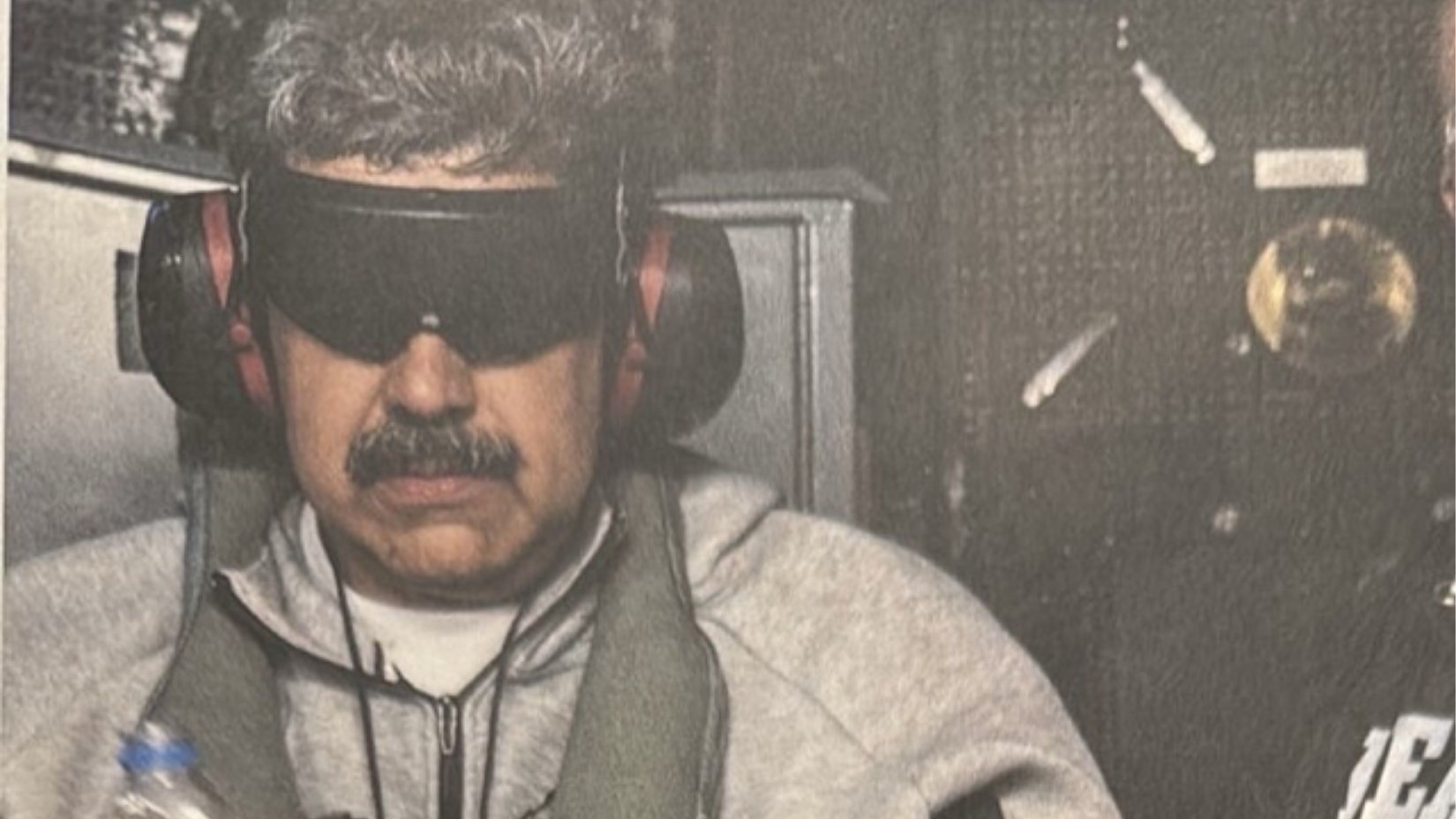
On January 3, after months of strikes on Venezuelan boats allegedly carrying drugs to the United States and talk of regime change from the Trump Administration, a U.S. Military operation captured dictator Nicolas Maduro and his wife. They were flown to the U.S. where Maduro will face trial for narco-terrorism and leading “a corrupt, illegitimate government that, for decades, has leveraged government power to protect and promote illegal activity, including drug trafficking.” The common reaction from world leaders was to accuse the United States of breaking international law while being careful not to defend Maduro. A common reaction from Venezuelans around the world, including some of the 8 million who’ve left the country since 2017, is celebration that this dictator who oversaw the ruin of their country has been ousted.
In October, a 60 Minutes report described the situation there this way: “Freedom isn’t the only thing in short supply in Venezuela. Hunger, chronic blackouts, and scarcity of essential medicines plague Venezuela. Today, more than 70% of residents live in poverty—a stunning reversal of fortune for a nation that was once one of the wealthiest countries in the world.”
Venezuela should be swimming in wealth, and not that long ago, it was. Venezuela sits on the world’s largest oil reserves, with an estimated 302 billion barrels, which is 10% more than Saudi Arabia and significantly more than the United States, which has 43 billion barrels. Today, however, it is on the edge of economic collapse.
At least a part of the problem is that Venezuela became a “petrostate,” a nation with so much profit-making petroleum, they felt no need to diversify their economy and instead become dependent only on oil. Petrostates are highly susceptible to market swings and disruptions in the supply chain.
More importantly, the governments of petrostates tend to ignore their citizens. In 1999, after time in jail for a failed military coup, Hugo Chavez was elected president of Venezuela. He promised liberation and earned the praise of Left-leaning people in Hollywood and elsewhere. His rhetoric, however, did not line up with reality. Rather than improve the lot of the people, his policies made things worse. Like most dictators, Chavez lived comfortably as his nation struggled. The situation only grew worse under his successor, Nicolas Maduro. In 2019, the Colson Center’s Roberto Rivera snarkily wrote about “the diet you’ve never heard of that has enabled millions of people to lose at least twenty pounds without any effort on their part: the Maduro Diet.” In a single year, 2017, “75 percent of Venezuela’s 32 million people lost an average of [24.2 pounds].”
Despite such widespread hunger and poverty, Maduro was elected to a second term in 2018. Last year, when results pointed to an almost 70% win for his opponents, Maduro wrote off the election and violently cracked down on protestors. In response, Venezuelans voted with their feet. According to the CBS story, “Nearly 8 million Venezuelans—roughly 20% of the population—have fled the country in the last decade.”
Materialists claim that the real problems in the world are about the allocation of resources. Rich nations and people steal and hoard wealth while leaving everyone else in poverty. However, if it is as simple as this, why do some resource-poor nations like Singapore, Japan, and the Netherlands live in luxury while Venezuela lags? Why do the citizens of Poland, a nation with a lower per capita GDP than Venezuela a generation ago, now make an average of $35,000 per year compared to Venezuelans, who make just $7,000 per year.
There are many problems that nations must solve. How they define such problems and solutions is about worldview. Specifically, are people valuable or merely entities to serve the state? Are human beings mere consumers of resources and is the world of resources limited? If so, resources must be carefully controlled by those in power and then distributed according to some evaluation of need and warrant. Typically, in such calculations, those in power get way more than everyone else. And, when there is not enough to go around, the overall need is reduced, either by reducing what citizens are entitled to or by reducing the number of citizens.
In contrast, successful nations recognize and encourage the most important natural resource of human ingenuity. Citizens are thought of as producers and consumers. Through human effort and ingenuity, the available resources can be grown and expanded, and government is more effective when it encourages such growth.
Government control often comes with the pretense of good intentions. However, controlling governments most often fail from personal ambition. Most dictators claim to fight for justice and prosperity but instead turn out to be oppressive and incompetent. That certainly describes Maduro.
Whether this dramatic American intervention will make things better for Venezuelans remains to be seen. What is certain is that the Venezuelans deserve better. All people do, because people are not merely resource-consuming animals. They are image-bearing creatives tasked by God to fill and to farm, to be fruitful and multiply.
Authors: John Stonestreet | Dr. Timothy D. Padgett Dietrich Bonhoeffer, a famous twentieth century Christian, was a dynamic and occasionally...
Author: John Stonestreet and Dr. Timothy D. Padgett
Authors: John Stonestreet | Dr. Timothy D. Padgett According to reports, the Russia-Ukraine war recently entered a new phase. When the Ukrainian army...