3 min read
Why Religious Freedom Matters to Christians of All Backgrounds
Breakpoint
:
September 17, 2026
Author: John Stonestreet and Dr. Jennifer Patterson
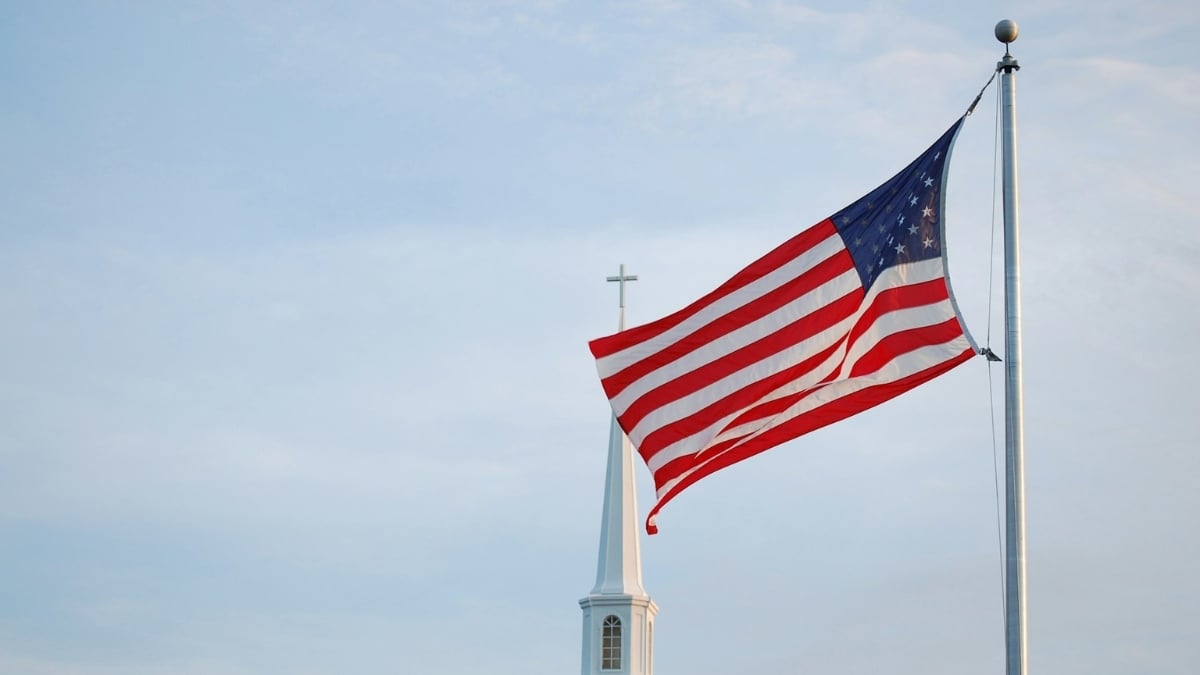
Constitution Day is a good time to celebrate one of the greatest blessings of our freedom, which is the constitutional guarantee of religious liberty. Protected in the Constitution is the right to worship God freely, pray openly, exercise our faith publicly, and pursue our callings faithfully. It is much to be thankful for and much to preserve.
These freedoms are a reflection of what scholars Eric and Jennifer Patterson call a religious freedom consensus that has long been present in American culture. That consensus recognizes three essentials: that human beings are religious by nature; that religion contributes to the good of society; and that government has a duty to protect freedom in this fundamental aspect of human life.
As recently as 1993, that consensus resulted in the Religious Freedom Restoration Act, or RFRA, which was passed by Congress nearly unanimously and signed into law by President Clinton. But the religious freedom “brand” has taken quite a hit, and it’s doubtful the same Act could pass today. For many, religious freedom is code language for “license to discriminate.”
In fact, in recent decades, RFRA and the principles behind it have been widely questioned, and the pressures have increased to privatize religion and downgrade the freedom to exercise faith in all areas of life to the freedom of worship, limited to your own heart, home, and house of worship. Legal challenges to the rights of believers to live out a faith consistent with their convictions have been brought against those who run adoption agencies, homeless shelters, student groups, and family businesses.
Christians are called to be good stewards of what we’ve been given, and the heritage of religious freedom is one of those things. There’s plenty we can and must do if we are to preserve the religious freedom consensus we’ve inherited as Americans. Christians not only have constitutional reasons to uphold religious freedom, but we also have theological reasons. Many Christians, however, do not know those theological reasons, much less how they are reflected in the history of their denominations and traditions. As such, many cannot articulate why religious freedom is a good and necessary gift of God that is worth preserving.
In their new book Faith & Freedom: Six Theological Reflections on Religious Freedom, Eric and Jennifer Patterson provide a thorough theological case for religious freedom. Faith &Freedom features the work of theologians from several evangelical denominations who each provide a theology of religious freedom from their tradition.
As you might expect when Baptist, Wesleyan, Lutheran, Reformed, and Pentecostal Christians all contribute to a book, each chapter takes a little different approach to the topic. Yet each scholar offers arguments and angles that will sharpen the conviction of all Christians about religious freedom, no matter the church background we come from.
For example, the Baptist chapter offers a stark reminder of the God-given limits of government. Civil officials are not to dictate or outlaw worship or the pattern of life that flows from that worship. The Reformed chapter builds the case for religious freedom from the doctrine of the image of God, reminding us that God alone judges the human heart, and he requires sincere faith that cannot be coerced. The Wesleyan chapter draws on that tradition’s focus on freedom from sin, for sanctification. This leads to personal holiness and social holiness that express love for God and neighbor.
In other words, religious freedom leads to transformation of lives and society, as it allows believers to pursue the charge in Micah 6:8, “to do justice, and to love kindness, and to walk humbly with your God.”
From the image of God to the limits of human authority to neighbor love, the theological insights of Faith and Freedom help us develop a richer Christian worldview about religious freedom. While these evangelical accounts sound like lightly different notes, they harmonize around a few themes.
First, because human beings are made in the image of God, they are inherently religious and accountable to God. Second, religion and religious freedom serve the good of society, especially through the biblical command to love and serve our neighbors. And third, government should defer whenever possible to this fundamental aspect of human life.
Christians need to express these religious convictions in order to uphold a religious freedom consensus in culture. And we must do so with both our words and our deeds.
Standing for religious freedom will also require courage. Just ask Jack Phillips, the Colorado baker who spent more than a decade fending off lawsuits that tried to force him to express views about marriage and gender ideology in conflict with his Christian faith.
Courage is rooted in our deepest convictions. Those convictions are shaped over years, around dinner tables, in Sunday Schools, in classrooms, and in conversations. Families, churches, and Christian schools have the opportunity to cultivate the kind of convictions that can undergird the religious freedom consensus. We must, if the next generation will stand when courage is called for in the future.