1 min read
Reimagining the American Revolution?
Authors: John Stonestreet, Dr. Timothy D. Padgett and Dr. Glenn Sunshine
Author: John Stonestreet, Dr. Timothy D. Padgett, and Dr. Glenn Sunshine
Along with well-deserved patriotic pride this month, the celebration of America’s 250th anniversary requires introspection, especially about America’s beginnings and slavery. Many of the same Founding Fathers who inspired the cause of liberty in so many kept others in chains.
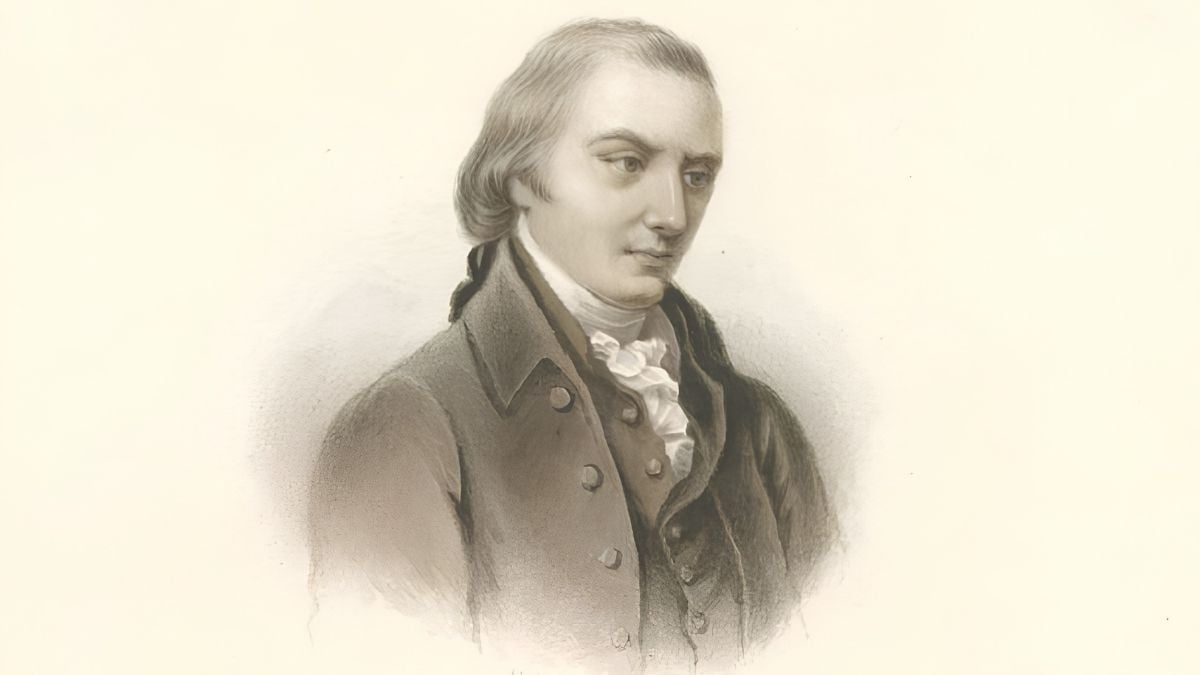
However, a Founding Father who boldly opposed slavery was Dr. Benjamin Rush. In a new documentary, Rush: The American Revolution's Indispensable Doctor, author and historian Dr. Joseph Loconte describes the life and work of this remarkable man. In the process, he brings clarity to the complications and contradictions of the American story.
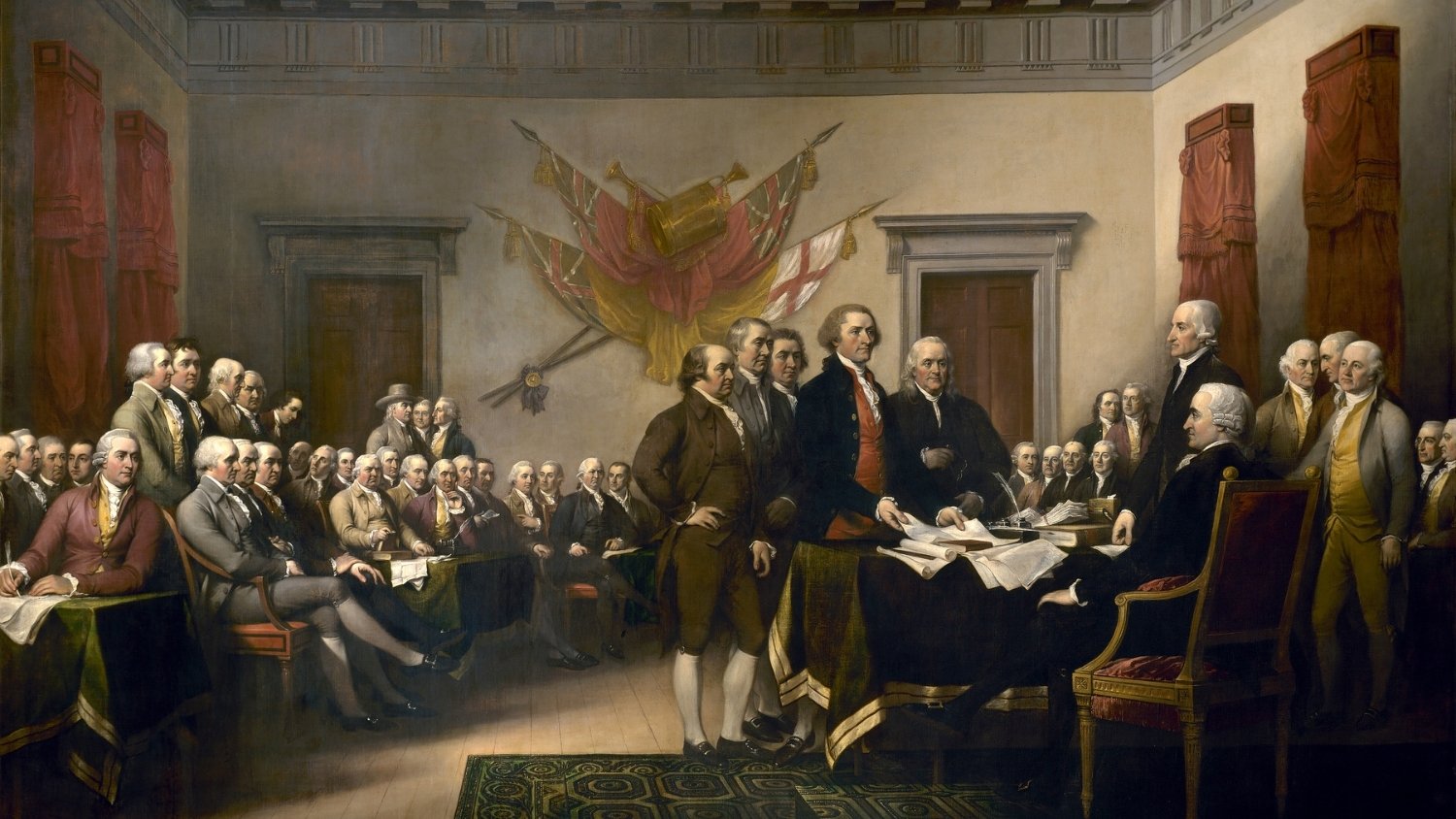
Dr. Benjamin Rush was one of the 55 signers of the Declaration of Independence. He graduated from college at 15 and had his own practice as a physician by age 24. He served as an army doctor in the new American military, was a chemistry professor who wrote the first chemistry textbook published in America, and he authored many treatises on medical education.
He was also a social reformer. He was a key influence on Thomas Paine, author of the vital booklet, Common Sense. Unlike many of the other Founders, he believed that the claim to God-given rights must apply to everyone, slaves included.
Rush encouraged revolutionary thinking against British rule while also challenging slavery. As Dr. Loconte described it,
Rush rejects the assumptions that Africans are an inferior race. He cites evidence of their ingenuity and humanity as proof that they’re equal to the Europeans. Addressing the city’s clergy, Rush denounces them for using the Bible to sanctify their crimes against humanity.
Rush was a champion of human dignity, a founding member of the Philadelphia Society for Alleviating the Miseries of Public Prisons (the Pennsylvania Prison Society today), and an ardent abolitionist, joining abolitionist societies and writing pamphlets against the institution of slavery.
Each of the activities on Rush’s very impressive resume were informed by his faith, specifically the conviction that each person is made in the image of God and, therefore, worthy of dignity and respect. His observations on the importance of work for human wellbeing also reflected a Christian worldview.
One significant area of study for Rush was mental illness. He argued that people with mental illness should not be treated as criminals but rather brought into normal hospital settings. He also believed that productive work could aid in their recovery. These ideas proved successful strategies in treating his patients.
Rush’s stand on abolition had been the historical position of the Church. In his day, it was being advanced by evangelicals and others in Britain and America. Rush served as an advisor and public supporter for Richard Allen in the founding of the African Methodist Episcopal Church.
Benjamin Rush demonstrated that a Christian worldview must be lived and not just believed. As Dietrich Bonhoeffer would later write, Christianity is not an “otherworldly religion.” It both describes the world as it actually is and invites us to join God’s work, not just by preparing for Heaven, but in repairing what is wrong in this, His World.
Dr. Loconte’s excellent documentary about this lesser-known Founding Father is available on Amazon through the Wonder Project. It not only provides insights into the origins of liberty and the American experiment but reminds us of what can happen when Christian conviction and moral clarity meet, as it did for Dr. Benjamin Rush.
1 min read
Authors: John Stonestreet, Dr. Timothy D. Padgett and Dr. Glenn Sunshine
1 min read
Authors: John Stonestreet and Dr. Glenn Sunshine
1 min read
John Stonestreet and Dr. Timothy D. Padgett