Skip to the main content.
Give Give Monthly
Give Give Monthly

2 min read

Reimagining the American Revolution?

Reimagining the American Revolution?

Authors: John Stonestreet, Dr. Timothy D. Padgett and Dr. Glenn Sunshine

One of the most trusted and popular documentary filmmakers on history and culture would like us to “rethink the American Revolution.” Instead, critics of the latest project by Ken Burns have found that it retells the story of American independence through the lens of Critical Theory while making wrong assertions along the way.   

Burns does correctly describe how many of the Founding Fathers “turned a blind eye” to the problem of slavery. Not far from the Philadelphia coffee houses where patriots plotted against tyranny, men and women and children were bought and sold like cattle.  

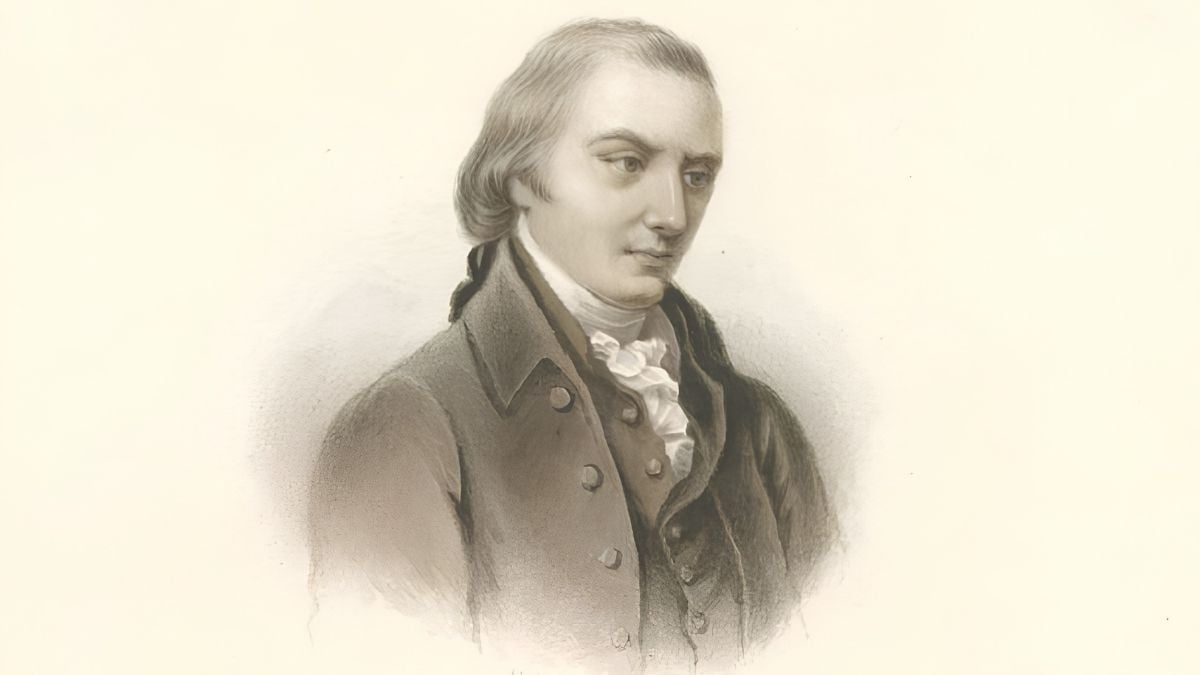
There was, however, a Founding Father who boldly opposed slavery. In a new four-part documentary series, author and historian Dr. Joseph Loconte tells a more accurate version of the American story by describing the life and work of Dr. Benjamin Rush. 

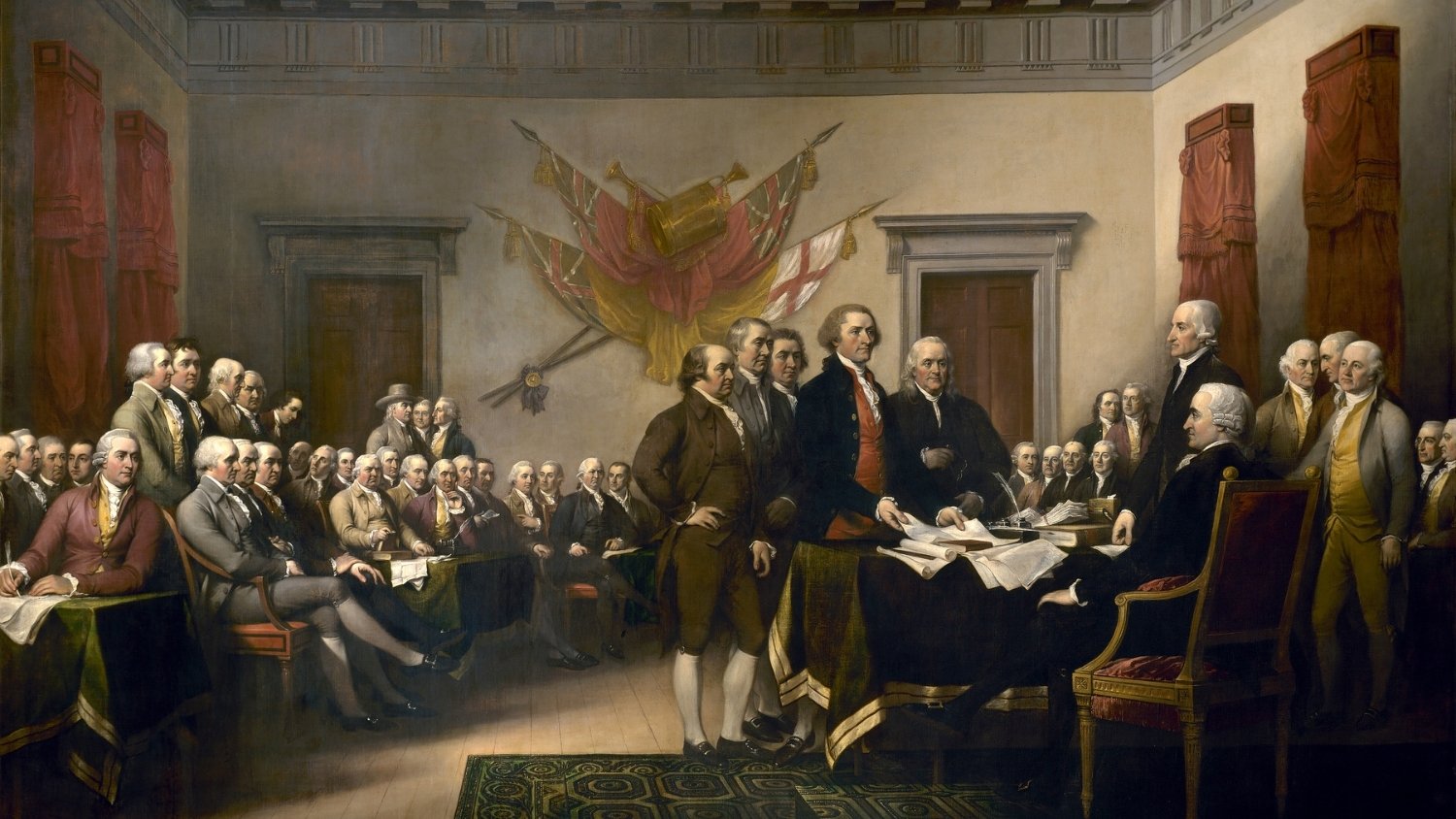
Dr. Benjamin Rush was one of the 55 signers of the Declaration of Independence. He graduated from college at age 15 and was a physician with his own practice by age 24. He served as an army doctor in the new American military, was a chemistry professor, wrote the first chemistry textbook published in America, and authored many treatises on medical education.  

He was also a social reformer. Rush championed the cause of liberty in profound, if often overlooked ways. He was a key influence on Thomas Paine and his vital booklet, Common Sense. And, unlike most of his fellow Founders, he knew full well that any call for God-given rights must apply to everyone, slaves included. 

As Dr. Loconte described in his new documentary series, Rush encouraged revolutionary thinking against British rule while also challenging slavery. 

Rush rejects the assumptions that Africans are an inferior race. He cites evidence of their ingenuity and humanity as proof that they’re equal to the Europeans. Addressing the city’s clergy, Rush denounces them for using the Bible to sanctify their crimes against humanity. 

Rush was a champion of human dignity, a founding member of the Philadelphia Society for Alleviating the Miseries of Public Prisons (the Pennsylvania Prison Society today), and an ardent abolitionist, joining abolitionist societies and writing pamphlets against the institution of slavery. 

The activities on Rush’s very impressive resume were informed by his faith, specifically his conviction that each person is made in the image of God and, therefore, is worthy of dignity and respect. His observations on the importance of work for human wellbeing also reflected a Christian worldview. 

His stand on abolition had been the historical position of the Church and, in his day, was being advanced by evangelicals and others in Britain and America. His concern for the wellbeing of the black population led him to act as an advisor to Richard Allen in the founding of the African Methodist Episcopal Church. He even lent both the church and Rev. Allen his public support. 

Stories from history, like that of Benjamin Rush, demonstrate that a Christian worldview is to be lived and not just believed. Indeed, if it is true, aligning with it is good, not only in the hereafter but for individuals and societies here and now. In other words, as Dietrich Bonhoeffer would later write, Christianity is not an otherworldly religion. It describes the world as it actually is, which allows us to be part of God’s work, not just by preparing for Heaven, but in repairing what is wrong in His World. 

Dr. Loconte’s excellent series about this largely unknown Founding Father is available on YouTube. The first and second episodes are released, with more to come. These videos provide keen insights into the origins of liberty and the American experiment and serve as a reminder of what can happen when Christian conviction and moral clarity meet, as in the story of Dr. Benjamin Rush.  

Marsilius of Padua on the Relationship of Church and State

Marsilius of Padua on the Relationship of Church and State

Authors: John Stonestreet | Dr. Glenn Sunshine Seven hundred years ago, Italian scholar Marsilius of Padua helped lay the foundation for our modern...

Read More
Rob Reiner’s New Documentary on Christian Nationalism

Rob Reiner’s New Documentary on Christian Nationalism

Authors: John Stonestreet | Dr. Glenn Sunshine | Dr. Timothy D. Padgett Rob Reiner, known for his role as “Meathead” in the 1970s sitcom All in the...

Read More